Online checkout is currently closed. Browse products, build your list and request a quotation. Need help? Call or WhatsApp us.Online checkout is currently closed. Call or WhatsApp for enquiries.

  • Sold by Sada Smart Solutions LLP, GSTIN 29AEJFS5796N1ZTSada Smart Solutions LLP

Call or WhatsApp +91 96060 62750 / 62751, Mon to Sat, 9:00 AM to 6:30 PM

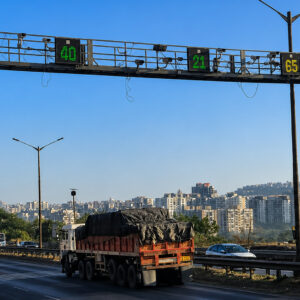
Camera gantry with an equipment cabinet over a divided highway

Highways and traffic

Traffic incident detection

For highway authorities, expressway operators and city control rooms. Review the incidents the proposed system is designed to detect and how alerts are checked. Confirm camera layout, platform functions and evidence for the offered configuration.

Suits Highway authorities that need faster response to incidents, Expressway and toll road operators, City traffic control rooms, Authorities building a combined enforcement and monitoring corridor

Brands for this system: Stellarview

The problem

A stopped vehicle, a fallen load or a fire on a highway needs a response in seconds, not minutes. A video incident detection system (VIDS) watches the road around the clock and alerts the control room when something goes wrong, with an evidence image and a 10 second clip. A typical alert arrives in under 2 seconds, and within 5 seconds for a stopped vehicle.

It detects stopped vehicles, slow-moving traffic, wrong-way driving, accidents, fallen objects, fire and smoke, pedestrians or animals on the carriageway, poor visibility from fog, heavy rain or low light, and camera tampering. Detection zones are set for each camera, so a service road or a field beyond the fence does not trigger alerts, and detection runs at the site, so a dropped network link delays reporting but does not stop it.

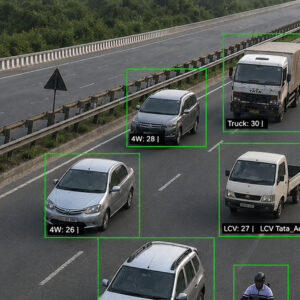
The full gantry package (VIDES, video incident detection and enforcement system) adds radar speed enforcement certified by NATRAX up to 230 km/h, traffic counting in 18 or more classes and number plate recognition for every vehicle on the same gantry, reporting to one dashboard. Officers validate violations before fines are issued, and AI models are updated remotely without hardware changes. VIDES is built to the NHAI 2023 VIDES specification, which places gantries about every 10 km on both sides of the highway, covering all lanes and the shoulder. A compliance document pack is available for tenders.
How it works

In 6 steps

  1. 01SurveyEach site is surveyed for lanes, mounting height, sight lines, power and network. The survey sets camera positions, detection zones and which functions each gantry carries.
  2. 02WatchCameras on the gantry watch the road around the clock. Detection zones are set for each camera, so a service road or a field beyond the fence does not trigger alerts.
  3. 03DetectThe video incident detection system (VIDS) spots stopped vehicles, slow-moving traffic, wrong-way driving, accidents, fallen objects, fire and smoke, pedestrians or animals on the carriageway, poor visibility from fog, heavy rain or low light, and camera tampering. Detection runs at the site, so a dropped network link delays reporting but does not stop detection.
  4. 04AlertThe manufacturer states a typical alert time under 2 seconds, and within 5 seconds for a stopped vehicle, subject to the site network and configuration. Each alert carries an evidence image and a 10 second clip, shown on the EdgeTrack dashboard and sent by SMS and email.
  5. 05Add enforcementThe full gantry package (VIDES, video incident detection and enforcement system) adds radar speed enforcement (the manufacturer states NATRAX certification up to 230 km/h), traffic counting in 18 or more classes and number plate recognition on the same gantry. The manufacturer states it is built to the NHAI 2023 VIDES specification, which places gantries about every 10 km on both sides of the highway, covering all lanes and the shoulder.
  6. 06Review and actOfficers validate violations on the dashboard before fines are issued. AI models are updated remotely, without hardware changes. Integration with your command centre, fines system and emergency response workflow is scoped for each project.

Alerts

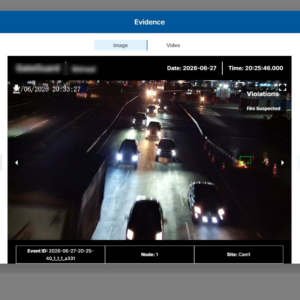
An alert with its evidence

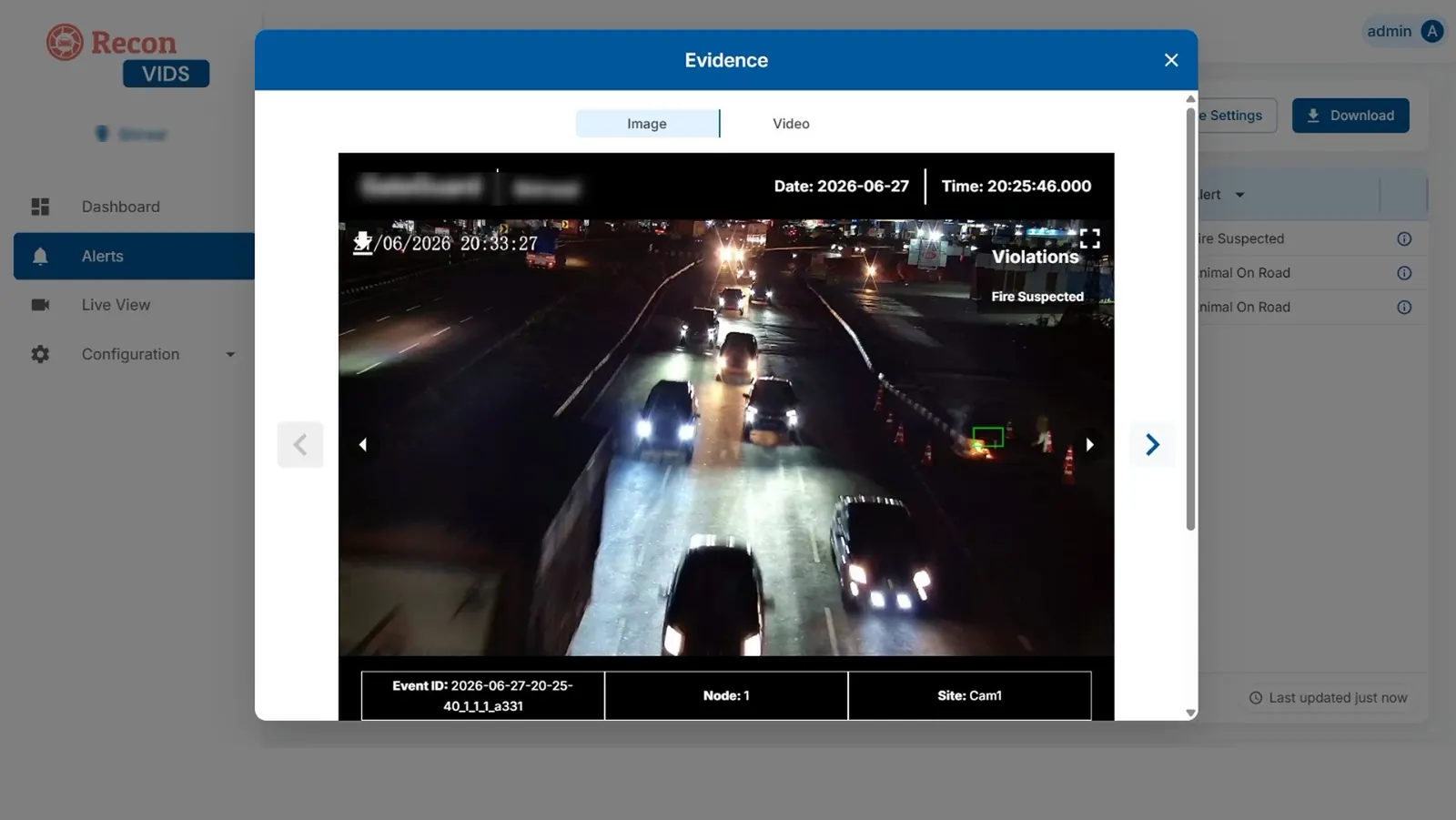
The manufacturer states a typical alert time under 2 seconds. Each one carries an evidence image and a 10 second clip, shown on the dashboard and sent by SMS and email.

VIDS alert window: a night camera view of a highway with a fire suspected alert, beside a list of earlier alerts
Incident alert in the VIDS software.

Configuration

Parts for one gantry

One gantry carrying incident detection, with the enforcement parts added where the gantry is a full VIDES package. Quantities are set at the site survey and confirmed in the quotation; the system is priced on request.

Illustrative configuration. Models, quantities and installation are confirmed for your site before an order or quotation.

Equipment

PartItemQuantity
1Recon global shutter camera
Stellarview Recon SV-ANPR-RC-1 Global Shutter ANPR Camera, 2 MP, 60 fps, 40 m IR, IP66Detection, plate reading and evidence; 12 V DC, 100 W supply suggested
Per gantry, set by lanes and functions at survey
2Local processing unit
Runs detection at the site; 12 V DC, 25 W; supplied with the project
Per gantry, one unit for up to 3 cameras
34D Doppler radar
Speed enforcement; the manufacturer states NATRAX certification up to 230 km/h; supplied with the project
Per VIDES gantry, confirmed on survey
4LED speed display board
Supplied with the project where the survey calls for one
Optional, per VIDES gantry
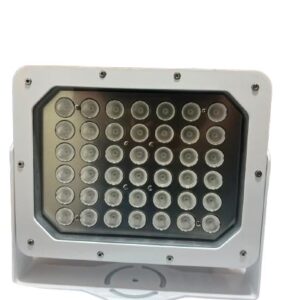
5PulseIR strobe illuminator
Stellarview PulseIR 850 nm IR Strobe Illuminator, 20 to 50 m, IP68Night evidence; 220 V AC, IP68; confirmed at survey
Optional, per camera where needed
6EdgeTrack central dashboard
Stellarview EdgeTrack Central Traffic Monitoring and Enforcement Platform, Cloud or On-PremisesAlerts on screen, by SMS and by email; officer validation; cloud or on-premises hosting
One platform for the corridor
System record
Stellarview VIDS Video Incident Detection System for Highways, Alerts in Under 2 SecondsVideo incident detection system record for the quotation
Reference
System record
Stellarview VIDES Video Incident Detection and Enforcement System, Speed, Incidents, Counting and ANPR on One GantryVideo incident detection and enforcement system record, where the gantry carries the full package
Reference

Licences and software

PartItemQuantity
7EdgeTrack VMSOptional, one per control room

Installation

Quoted after a site survey, or carried out by your own installer.

  • Mounting cameras, processing unit and, for VIDES, the radar on the gantry
  • Setting detection zones for each camera
  • Choosing which functions each gantry carries
  • Connecting each gantry to the central dashboard

Assumptions

  • One gantry; a corridor to the NHAI 2023 specification has gantries about every 10 km on both sides
  • Detection zones drawn for each camera at commissioning
  • Cloud hosting for the EdgeTrack dashboard unless on-premises hosting is chosen
  • Officer validation of every violation before a fine is issued

Prerequisites, not in this configuration

  • Gantries or poles at each site
  • Mains power at each site
  • Fibre or internet link from each gantry to the command centre
  • Control room for operators

Not included

  • Gantry structures and civil works
  • Network links and data plans
  • AI Search licences, unless added
  • Integration with command centre, fines system and emergency response workflow beyond the scope agreed for the project
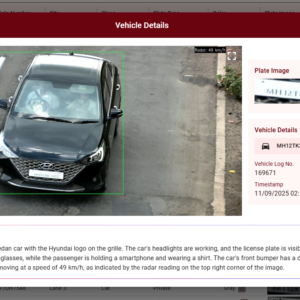
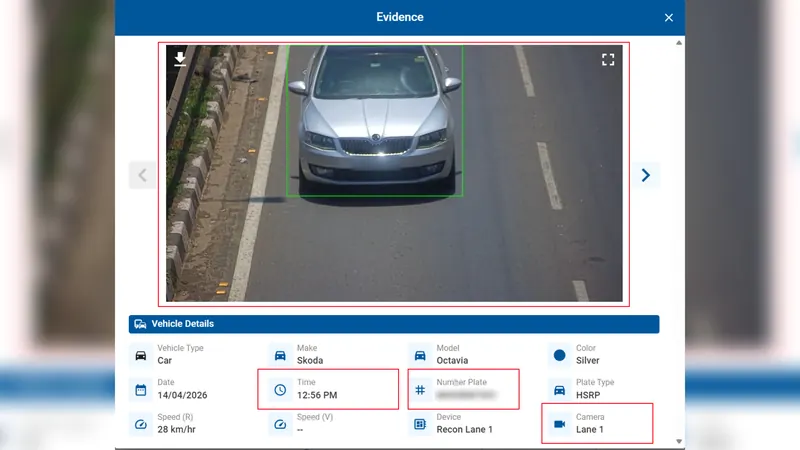
Event evidence window: a car in its lane, with the time, make, model, plate type, camera and lane recorded (plate number hidden)

Review

Checked before anything is sent

Officers validate each violation on the dashboard before fines are issued. Every event shows its evidence image with the time, camera and lane.

Hardware

Gantry hardware and software

The system is quoted after a site survey. Store products are listed with their role; the radar, the processing unit and the speed display are supplied with the project.

Stellarview VIDS Video Incident Detection System for Highways, Alerts in Under 2 SecondsVideo incident detection system (VIDS): the record for the incident detection package; the manufacturer states alerts in under 2 seconds.
Stellarview VIDES Video Incident Detection and Enforcement System, Speed, Incidents, Counting and ANPR on One GantryVideo incident detection and enforcement system (VIDES): the record for the full gantry package with speed, incidents, counting and plate reading.
Stellarview Recon SV-ANPR-RC-1 Global Shutter ANPR Camera, 2 MP, 60 fps, 40 m IR, IP66Recon global shutter camera for detection, plate reading and evidence; the number per gantry is set by lanes and functions at survey.Stellarview PulseIR 850 nm IR Strobe Illuminator, 20 to 50 m, IP68PulseIR strobe illuminator for night evidence, optional, per camera where needed.
Stellarview EdgeTrack Central Traffic Monitoring and Enforcement Platform, Cloud or On-PremisesEdgeTrack central dashboard with alerts on screen, by SMS and by email, one platform for the corridor.
Stellarview EdgeTrack VMS Video Management Software for Traffic Control Rooms, Signed Evidence ExportEdgeTrack VMS for live video, recording and evidence export in the control room, optional, one installation per control room.Stellarview AI Search Natural-Language Video Search Add-on for Recon Global Shutter CameraAI Search add-on that finds vehicles and people from a typed description, optional, one licence per camera.
Stellarview VSDS Vehicle Speed Detection System, 4D Radar and ANPR, Up to 230 km/hVehicle speed detection system record for the speed function of a VIDES gantry.
Stellarview ATCC Automatic Traffic Counting and Classification System, 18+ Vehicle Classes, Up to 4 LanesTraffic counting and classification record for the counting function of a VIDES gantry.

Details

Planning the system

What you need
  • Stellarview Recon SV-ANPR-RC-1 global shutter cameras on each gantry, or recommended cameras with a local processing unit; one unit handles up to 3 cameras, and the number is set by lanes and functions at the survey
  • A 4D Doppler radar and an optional LED speed display for enforcement on a VIDES gantry, supplied with the project
  • A Stellarview PulseIR SV-PIR-40 strobe illuminator, optional, for night evidence
  • The Stellarview EdgeTrack central dashboard, with alerts on screen, by SMS and by email
  • Stellarview EdgeTrack VMS for live video, recording and evidence export in the control room, optional
  • Gantries or poles at each site
  • Mains power at each site; the incident detection processing unit runs on 12 V DC and uses 25 W, and Recon cameras run on 12 V DC with a 100 W supply suggested
  • A fibre or internet link from each gantry to the command centre
  • A control room, and a choice of cloud or on-premises hosting for the dashboard
Questions to ask
  • Do you need incident detection alone (VIDS), or the full gantry package with speed enforcement, counting and plate reading (VIDES)?
  • How long is the corridor and how many gantries does it need? The NHAI 2023 specification places them about every 10 km on both sides.
  • Which functions should each gantry carry? The survey sets this for every site.
  • Where should alerts go: the dashboard, SMS, email, or all three?
  • Does the control room need live video and recording as well as alerts? If so, add EdgeTrack VMS.
  • Is the project going to tender? A compliance document pack for the NHAI 2023 specification is available.
  • How should alerts reach your command centre, fines system and emergency response workflow? Integration is scoped for each project.

Incident detection and VIDES are priced on request. Request a quote with the corridor length, the number of gantries and the functions you need. Buying for clients or several sites? Trade accounts and project quotations are available.

Downloads

Datasheets for these parts

Search all datasheets, manuals and drawings

Questions

Frequently asked

How quickly does the control room hear about an incident?

The manufacturer states a typical alert time under 2 seconds, and within 5 seconds for a stopped vehicle, depending on the network, with an evidence image and a 10 second clip.

What does it detect?

Stopped vehicles, slow-moving traffic, wrong-way driving, accidents, fallen objects, fire and smoke, pedestrians or animals on the carriageway, poor visibility from fog, heavy rain or low light, and camera tampering such as blocking, defocus or moving the camera.

Does detection stop if the network link drops?

No. Detection runs at the site. A dropped link delays reporting to the control room but does not stop detection.

Will a vehicle on the service road trigger an alert?

Not if the detection zones are set correctly. Zones are drawn for each camera so that a service road or a field beyond the fence is left out.

What is the difference between VIDS and VIDES?

VIDS is incident detection on its own. VIDES is the full gantry package: incident detection plus speed enforcement, traffic counting and number plate recognition, all reporting to one dashboard.

Does it meet the NHAI 2023 specification?

The manufacturer states VIDES is built to the NHAI 2023 VIDES specification, and a compliance document pack is available for tenders.
Get a quotation

Describe your deployment

What we need to quote:

  • Gantries or poles at each site
  • Mains power at each site; the incident detection processing unit runs on 12 V DC and uses 25 W, and Recon cameras run on 12 V DC with a 100 W supply suggested
  • A fibre or internet link from each gantry to the command centre
  • A control room, and a choice of cloud or on-premises hosting for the dashboard

Prefer to talk it through? Call or WhatsApp +91 96060 62750 / 62751 (WhatsApp), Monday to Saturday, 9:00 AM to 6:30 PM IST.