Online checkout is currently closed. Browse products, build your list and request a quotation. Need help? Call or WhatsApp us.Online checkout is currently closed. Call or WhatsApp for enquiries.

  • Sold by Sada Smart Solutions LLP, GSTIN 29AEJFS5796N1ZTSada Smart Solutions LLP

Call or WhatsApp +91 96060 62750 / 62751, Mon to Sat, 9:00 AM to 6:30 PM

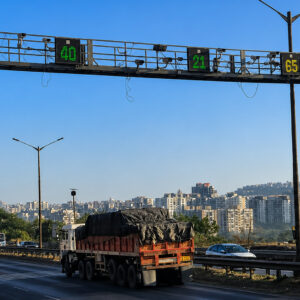
Enforcement gantry over a city highway, with cameras and LED boards showing the speed of passing vehicles

Highways and traffic

Speed enforcement systems

For road authorities, highway operators and city traffic police. Plan radar speed measurement and evidence capture for the road and deployment conditions. Confirm the offered configuration, performance evidence and officer-review workflow.

Suits Highway authorities and expressway operators, Toll road operators and concessionaires, City traffic departments that enforce limits on fixed stretches of road, Authorities that need a separate speed limit for each vehicle class, Corridors where the average speed between two gantries matters as much as the speed at one point

Brands for this system: Stellarview

The problem

Speeding on a fixed stretch of road is hard to police by hand. A vehicle speed detection system (VSDS) on a gantry measures the speed of every vehicle with radar, reads its number plate and saves a timestamped, geo-tagged evidence image for each violation. An officer reviews the evidence on the central dashboard before a fine (e-challan) is issued.

The radar gives the spot speed at the gantry, or the average (section) speed between two gantries, and each vehicle class can have its own limit, for example a lower limit for trucks than for cars. The same gantry also flags under-speeding, no helmet, no seatbelt, triple riding, wrong lane, wrong direction, mobile phone use and vehicles not allowed on the stretch. Evidence is stored at the gantry and synced when the link returns, so the system keeps working without internet.
How it works

In 6 steps

  1. 01SurveyEach stretch is surveyed first: number and width of lanes, gantry height, traffic speeds, power and network. The survey sets the number of cameras, the lens for each lane and whether a speed display is needed.
  2. 02MeasureA 4D Doppler radar on the gantry tracks up to 128 vehicles at once across the lanes and the shoulder, with a detection range of up to 60 m. It gives the spot speed at the gantry, or the average (section) speed between two gantries. Each vehicle class can have its own limit, for example a lower limit for trucks than for cars.
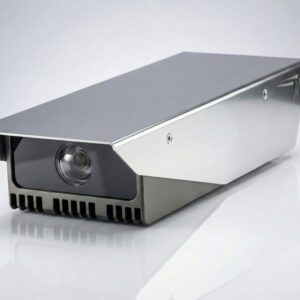
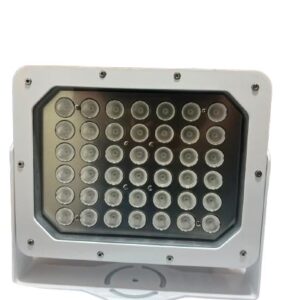
  3. 03ReadOne Stellarview Recon SV-ANPR-RC-1 global shutter camera covers each lane and reads the number plate. Its lens (12, 20, 25 or 35 mm) is chosen for the distance to the reading point. A PulseIR strobe illuminator can be added for clearer night images.
  4. 04RecordThe local processing unit at the gantry saves a timestamped, geo-tagged evidence image for each violation. The system also flags under-speeding, no helmet, no seatbelt, triple riding, wrong lane, wrong direction, mobile phone use and vehicles not allowed on the stretch. Evidence is stored at the gantry and synced when the link returns, so it keeps working without internet.
  5. 05ReviewViolations go to the EdgeTrack central dashboard, where an officer validates the evidence before anything is sent on.
  6. 06IssueApproved violations are sent to the fines system (e-challan). Links to your fines, vehicle registration or command centre systems are scoped for each project.

Configuration

Parts for one enforcement gantry

A typical gantry over one carriageway. Quantities are set at the site survey and confirmed in the quotation; the system is priced on request.

Illustrative configuration. Models, quantities and installation are confirmed for your site before an order or quotation.

Equipment

PartItemQuantity
1Recon global shutter camera
Stellarview Recon SV-ANPR-RC-1 Global Shutter ANPR Camera, 2 MP, 60 fps, 40 m IR, IP66Lens of 12, 20, 25 or 35 mm chosen for the distance to the reading point; 12 V DC, 100 W supply suggested
One per lane, per direction
24D Doppler radar
Tracks up to 128 vehicles across the lanes and the shoulder, range up to 60 m; supplied with the project
Per gantry, confirmed on survey
3Local processing unit with evidence storage
Stores evidence at the gantry and syncs it when the link returns; supplied with the project
Per gantry, confirmed on survey
4PulseIR strobe illuminator
Stellarview PulseIR 850 nm IR Strobe Illuminator, 20 to 50 m, IP68Clearer night images; 220 V AC, IP68; need confirmed at survey
Optional, usually one per camera
5LED speed display board
The survey decides whether a display is needed; supplied with the project
Optional, per gantry
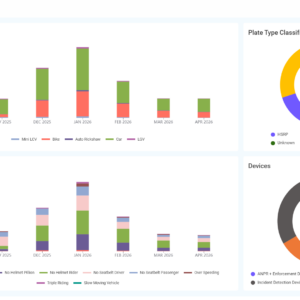
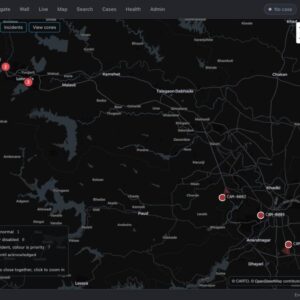
6EdgeTrack central dashboard
Stellarview EdgeTrack Central Traffic Monitoring and Enforcement Platform, Cloud or On-PremisesOfficer review, approval, reports and alerts; cloud or on-premises hosting
One platform for all sites
System record
Stellarview VSDS Vehicle Speed Detection System, 4D Radar and ANPR, Up to 230 km/hVehicle speed detection system record for the quotation
Reference

Installation

Quoted after a site survey, or carried out by your own installer.

  • Mounting the cameras, radar and processing unit on the gantry
  • Choosing and aiming the lens for each lane
  • Setting the speed limit for each vehicle class
  • Connecting the gantry to the central dashboard

Assumptions

  • One gantry over one carriageway, with one camera per lane
  • Spot speed at the gantry; section speed needs a second gantry on the same stretch
  • Cloud hosting for the EdgeTrack dashboard unless on-premises hosting is chosen
  • Officer review of every violation before it goes to the fines system

Prerequisites, not in this configuration

  • Gantry over the carriageway, or approval and civil works to build one
  • Mains power at the gantry
  • Network link to the control room by fibre or mobile data

Not included

  • Gantry structure and civil works
  • Network link and data plan
  • EdgeTrack VMS, unless the control room needs live video and recording
  • AI Search licences, unless added
  • Links to fines, registration or command centre systems beyond the scope agreed for the project

Evidence

Evidence an officer can check

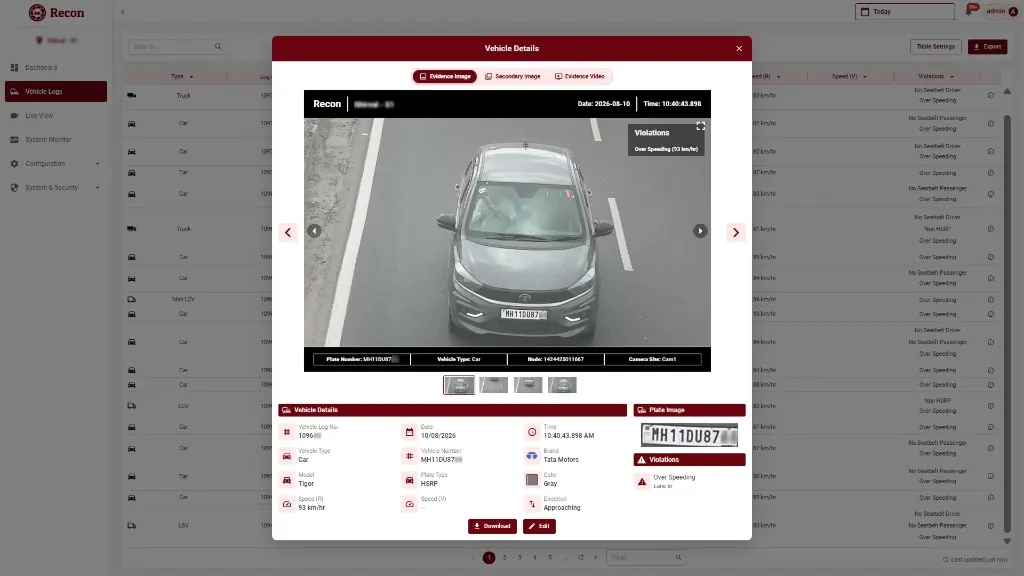
Each violation is saved with a timestamped, geo-tagged evidence image, the plate and the measured speed. An officer validates it on the dashboard before it goes to the fines system.

Recon software vehicle details window: the evidence image of a car flagged for over speeding, with its plate (partly hidden), speed, make and model
Vehicle details and evidence image in the Recon software.

Hardware

Gantry hardware and software

The system is quoted after a site survey. Store products are listed with their role; the radar, the processing unit and the speed display are supplied with the project.

Details

Planning the system

What you need
  • A Stellarview Recon SV-ANPR-RC-1 global shutter camera for each lane in each direction, with its lens (12, 20, 25 or 35 mm) chosen for the distance to the reading point
  • A 4D Doppler radar that tracks up to 128 vehicles at once across the lanes and the shoulder, with a range of up to 60 m, supplied with the project and certified by NATRAX up to 230 km/h
  • A local processing unit with evidence storage at the gantry, supplied with the project
  • A Stellarview PulseIR SV-PIR-40 strobe illuminator, optional, for clearer night images
  • An LED speed display board, optional, decided at the survey
  • The Stellarview EdgeTrack central dashboard for officer review, approval and reports, and EdgeTrack VMS if the control room also needs live video and recording
  • A gantry, or approval and civil works to build one
  • Mains power at each gantry; each camera runs on 12 V DC, with a 100 W supply suggested
  • A network link from each gantry to the control room, by fibre or mobile data
  • A choice of cloud or on-premises hosting for the central dashboard
  • Access to your fines or vehicle registration systems, if violations are to be sent automatically
Questions to ask
  • Do you need the speed at one point, or the average speed over a stretch? Section speed needs two gantries on the same road.
  • Which vehicle classes need their own limit? Each class can have a different one.
  • How many lanes, in how many directions, at each site? Each lane in each direction needs its own camera.
  • Does the stretch need a speed display for drivers? The survey decides this.
  • Is there a gantry already, or does one need to be built?
  • Where will the dashboard be hosted, in the cloud or on your own server?
  • Should approved violations go straight to your fines system? If so, access to that system is scoped for the project.

The system is priced on request. Request a quote with the road, the number of lanes and the number of sites; a site survey is needed before the final quotation. Buying for clients or several sites? Trade accounts and project quotations are available.

Downloads

Datasheets for these parts

Search all datasheets, manuals and drawings

Questions

Frequently asked

Does it measure speed at one point or over a stretch of road?

Both. The radar measures the spot speed at the gantry, and two gantries together give the average (section) speed over the stretch between them.

Can trucks and cars have different speed limits?

Yes. Each vehicle class can have its own limit, for example a lower limit for trucks than for cars.

What happens if the internet link to the gantry drops?

The system keeps working. Evidence is stored on the processing unit at the gantry and synced to the central dashboard when the link returns.

Is every violation fined automatically?

No. Each violation is reviewed by an officer on the EdgeTrack dashboard and validated before it is sent to the fines system (e-challan).

Does it work at night?

Yes. The Recon camera has built-in 850 nm infrared up to 40 m and colour imaging in low light. The PulseIR strobe illuminator is an optional addition for clearer night images.

How many lanes does one camera cover?

One lane. Each lane in each direction has its own camera, and the radar covers all the lanes and the shoulder.

Get a quotation

Describe your deployment

What we need to quote:

  • A gantry, or approval and civil works to build one
  • Mains power at each gantry; each camera runs on 12 V DC, with a 100 W supply suggested
  • A network link from each gantry to the control room, by fibre or mobile data
  • A choice of cloud or on-premises hosting for the central dashboard
  • Access to your fines or vehicle registration systems, if violations are to be sent automatically

Prefer to talk it through? Call or WhatsApp +91 96060 62750 / 62751 (WhatsApp), Monday to Saturday, 9:00 AM to 6:30 PM IST.