
Battery Chargers
Battery chargers for 12 V, 24 V, 48 V and higher-voltage battery banks, from compact units to 1U rack models and bidirectional chargers that also convert battery power back to AC. The deciding specifications are battery chemistry (lead acid or lithium), charging current against the bank’s capacity, the charging curve (2 or 3 stage, or programmable), and whether you need CANBus or PMBus communication and temperature compensation.
All products
-
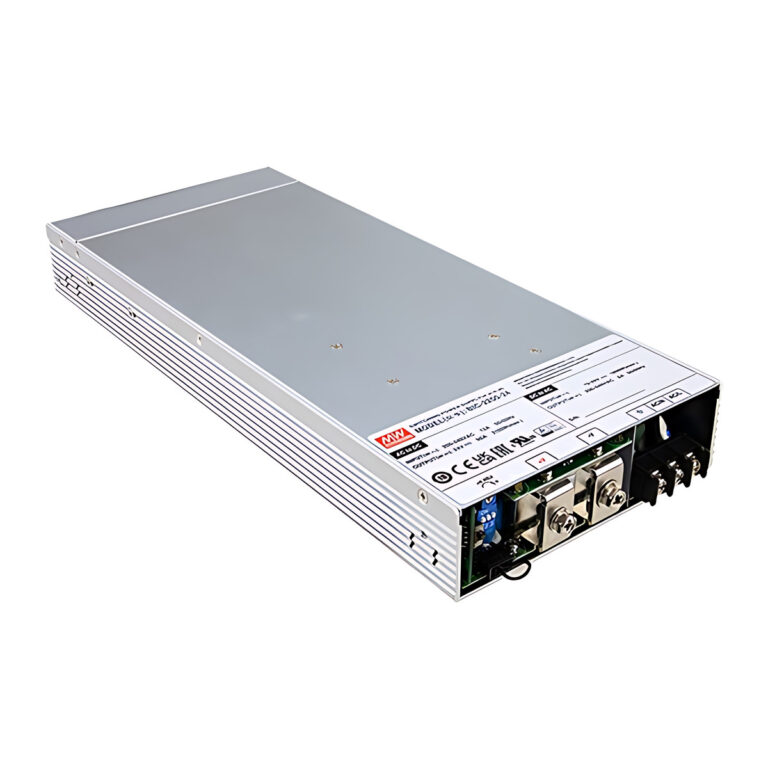 MEAN WELLModel BIC-2200-12
Battery Charger, 12 V DC, 180 A, 2160 W, bidirectional
- Rated Output Current
- 180 A (AC to DC)
- Bidirectional Switch Time
- 1 ms (typ.)
Price on requestBIC-2200 series · 8 models -
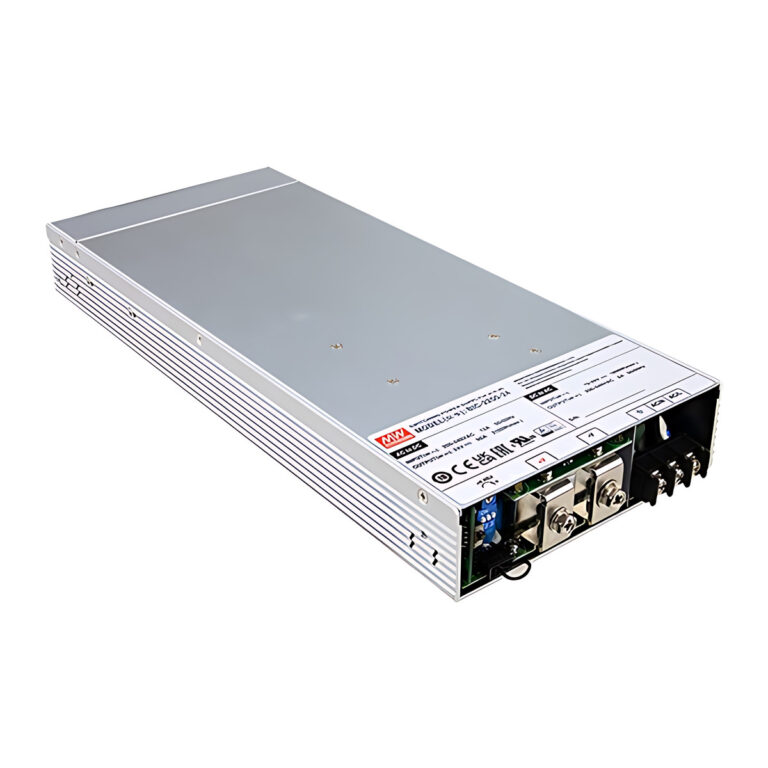 MEAN WELLModel BIC-2200-12CAN
Battery Charger, 12 V DC, 180 A, 2160 W, bidirectional
- Rated Output Current
- 180 A (AC to DC)
- Bidirectional Switch Time
- 1 ms (typ.)
Price on requestBIC-2200 series · 8 models -
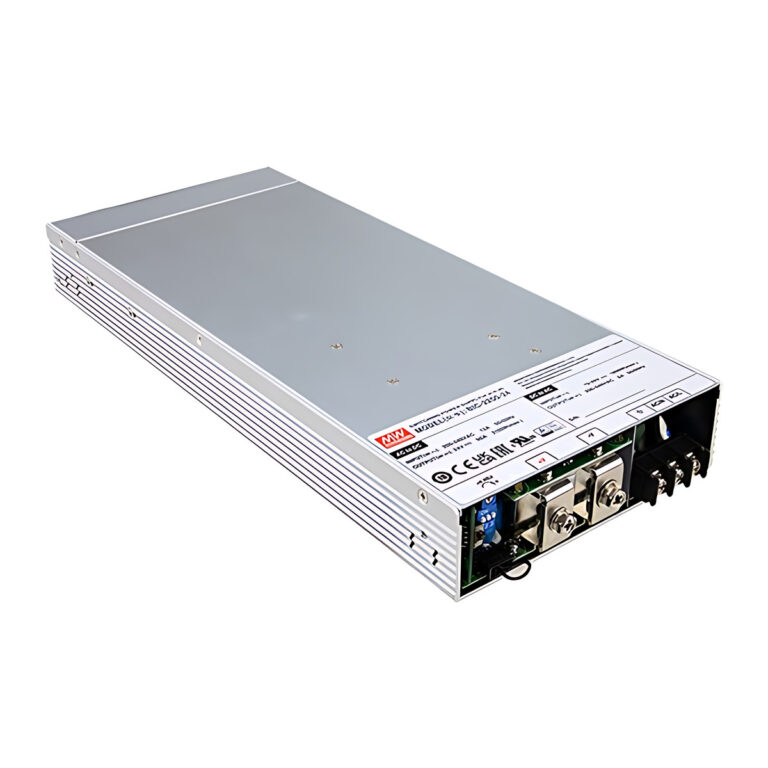 MEAN WELLModel BIC-2200-24
Battery Charger, 24 V DC, 90 A, 2160 W, bidirectional
- Rated Output Current
- 90 A (AC to DC)
- Bidirectional Switch Time
- 1 ms (typ.)
Price on requestBIC-2200 series · 8 models -
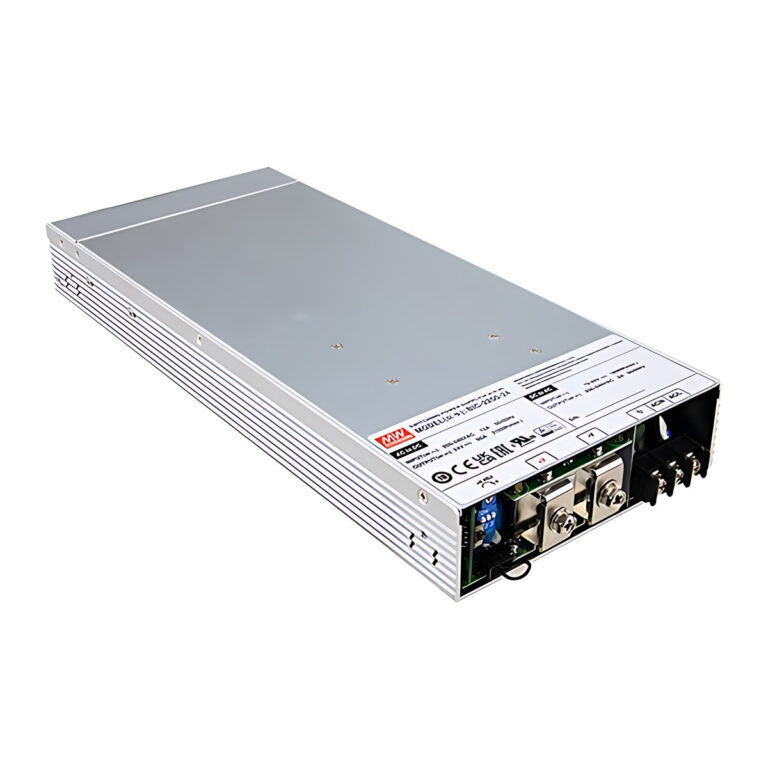 MEAN WELLModel BIC-2200-24CAN
Battery Charger, 24 V DC, 90 A, 2160 W, bidirectional
- Rated Output Current
- 90 A (AC to DC)
- Bidirectional Switch Time
- 1 ms (typ.)
Price on requestBIC-2200 series · 8 models -
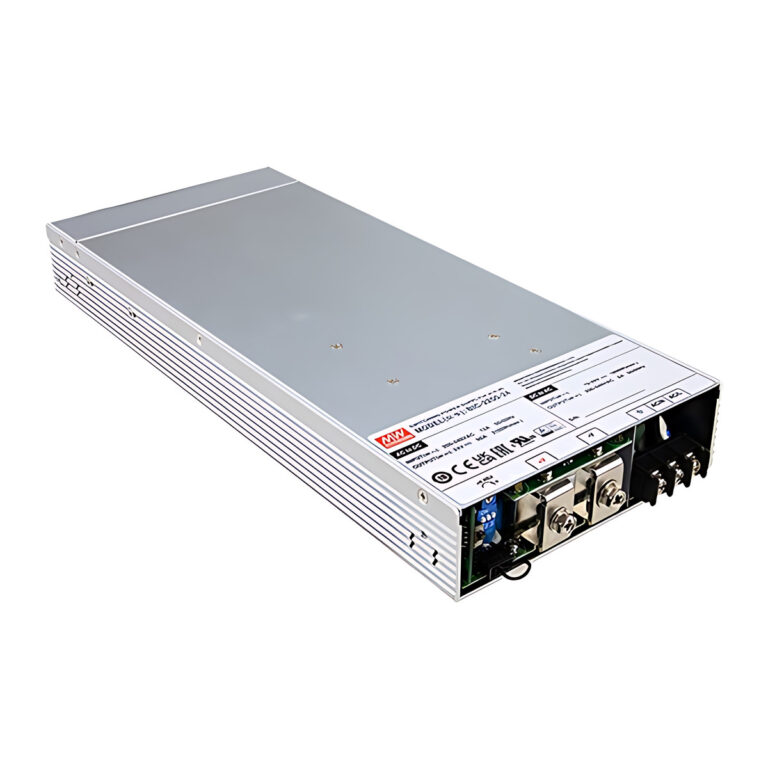 MEAN WELLModel BIC-2200-48
Battery Charger, 48 V DC, 45 A, 2160 W, bidirectional
- Rated Output Current
- 45 A (AC to DC)
- Bidirectional Switch Time
- 1 ms (typ.)
Price on requestBIC-2200 series · 8 models -
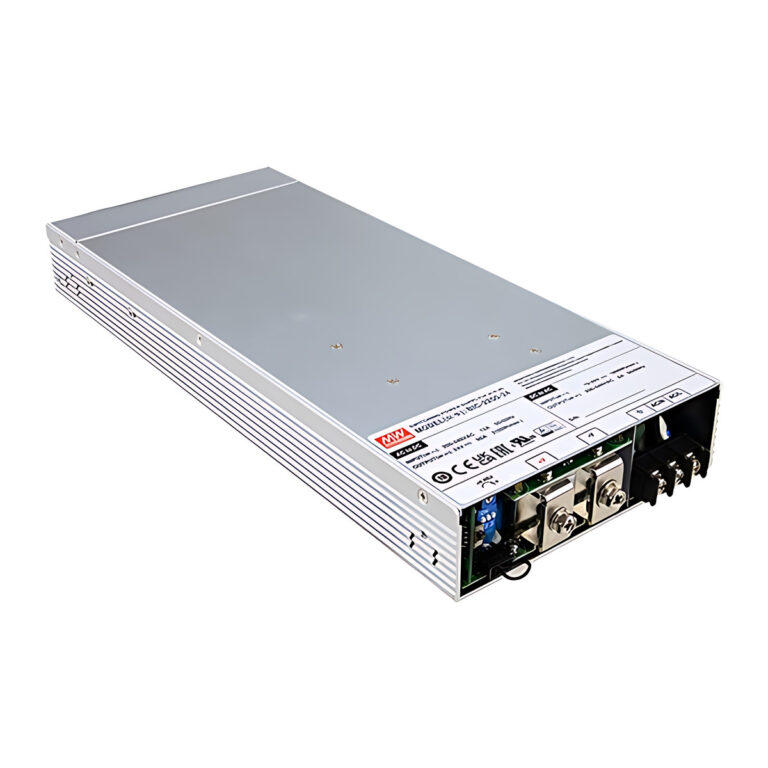 MEAN WELLModel BIC-2200-48CAN
Battery Charger, 48 V DC, 45 A, 2160 W, bidirectional
- Rated Output Current
- 45 A (AC to DC)
- Bidirectional Switch Time
- 1 ms (typ.)
Price on requestBIC-2200 series · 8 models -
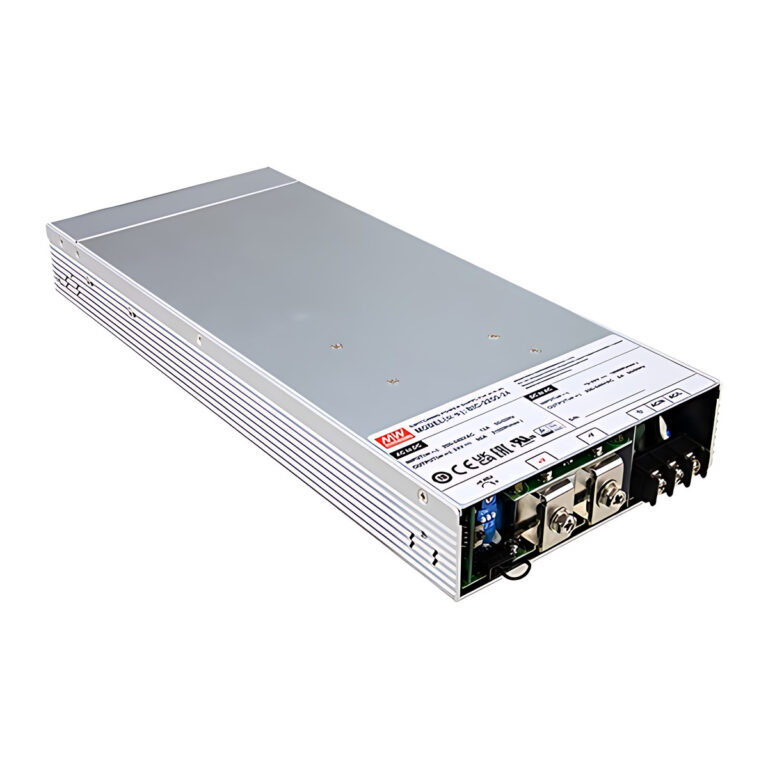 MEAN WELLModel BIC-2200-96
Battery Charger, 96 V DC, 22.5 A, 2160 W, bidirectional
- Rated Output Current
- 22.5 A (AC to DC)
- Bidirectional Switch Time
- 1 ms (typ.)
Price on requestBIC-2200 series · 8 models -
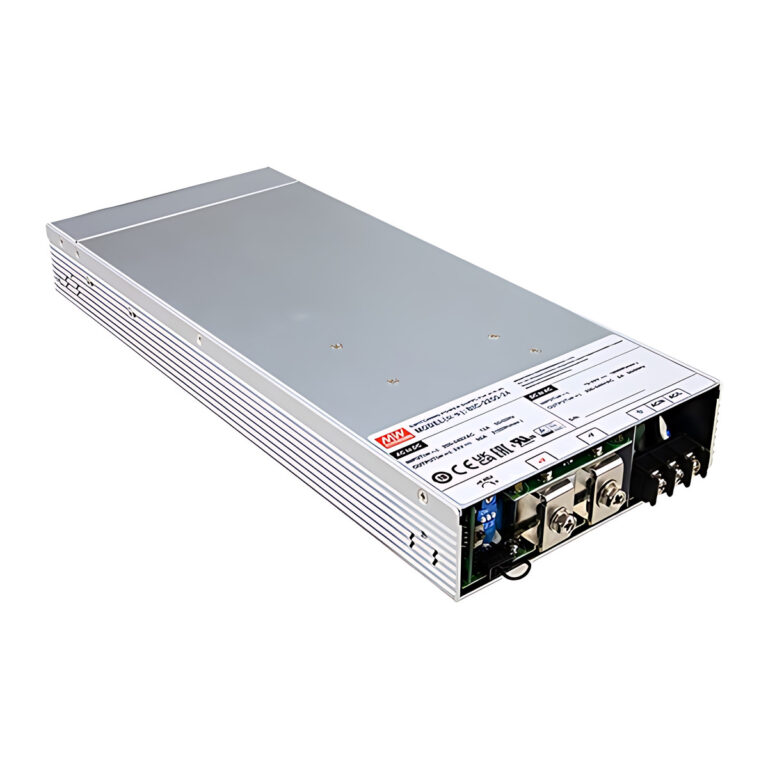 MEAN WELLModel BIC-2200-96CAN
Battery Charger, 96 V DC, 22.5 A, 2160 W, bidirectional
- Rated Output Current
- 22.5 A (AC to DC)
- Bidirectional Switch Time
- 1 ms (typ.)
Price on requestBIC-2200 series · 8 models -
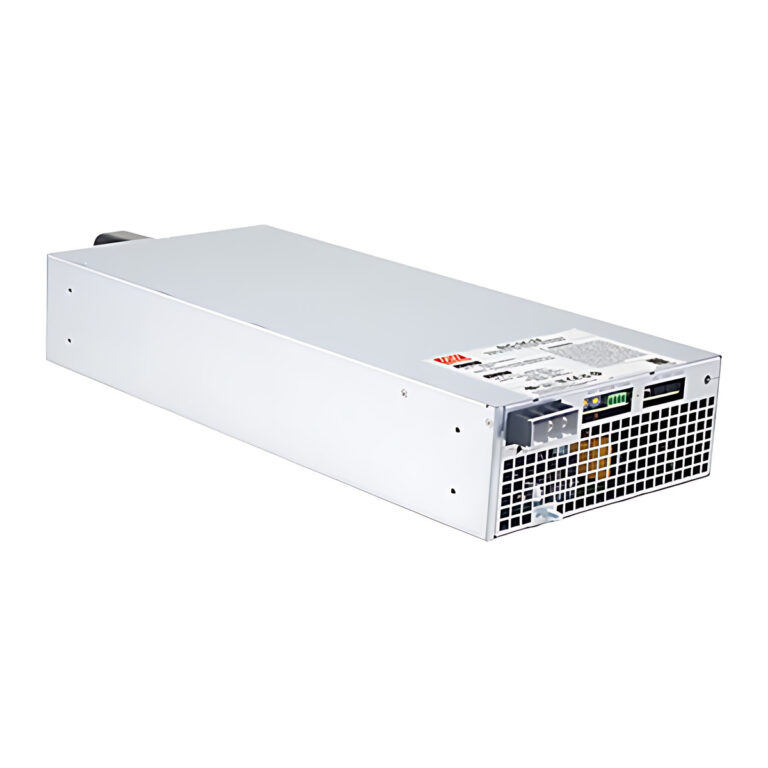 MEAN WELLModel BIC-5K-24
Battery Charger, 24 V DC, 208 A, 4992 W, bidirectional
- Rated Output Current
- 208 A (AC to DC)
- Output Current Range
- 0 to 208 A
- Bidirectional Switch Time
- 1 ms (typ.)
Price on requestBIC-5K series · 4 voltages -
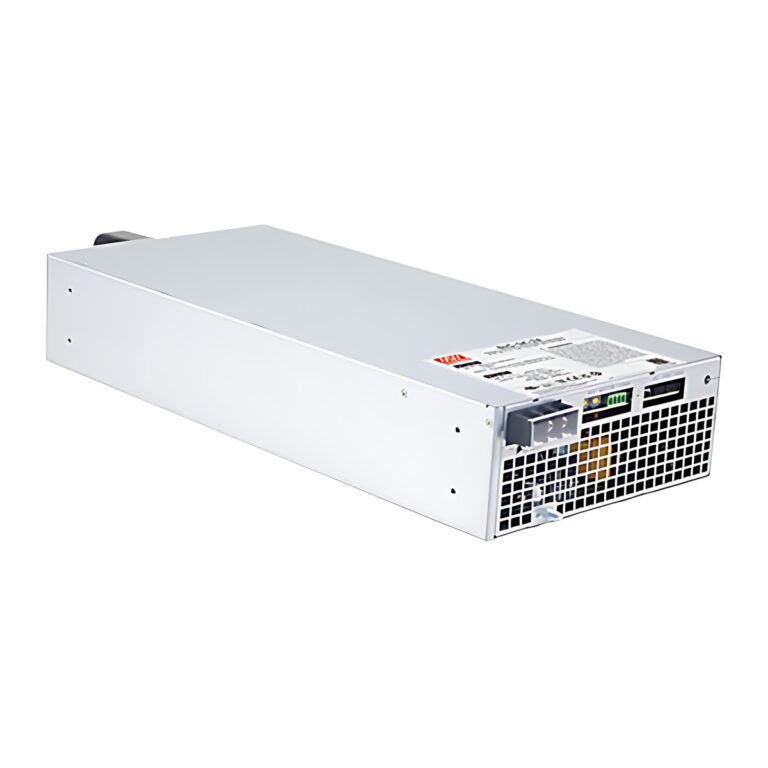 MEAN WELLModel BIC-5K-380
Battery Charger, 380 V DC, 13.22 A, 5025 W, bidirectional
- Rated Output Current
- 13.22 A (AC to DC)
- Output Current Range
- 0 to 15 A
- Bidirectional Switch Time
- 1 ms (typ.)
Price on requestBIC-5K series · 4 voltages -
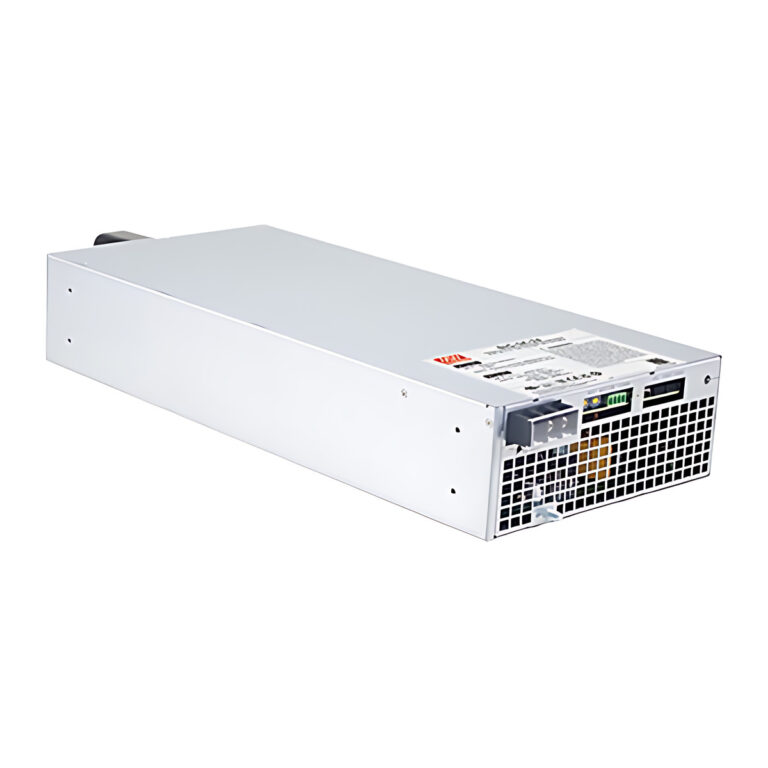 MEAN WELLModel BIC-5K-48
Battery Charger, 48 V DC, 104 A, 4992 W, bidirectional
- Rated Output Current
- 104 A (AC to DC)
- Output Current Range
- 0 to 104 A
- Bidirectional Switch Time
- 1 ms (typ.)
Price on requestBIC-5K series · 4 voltages -
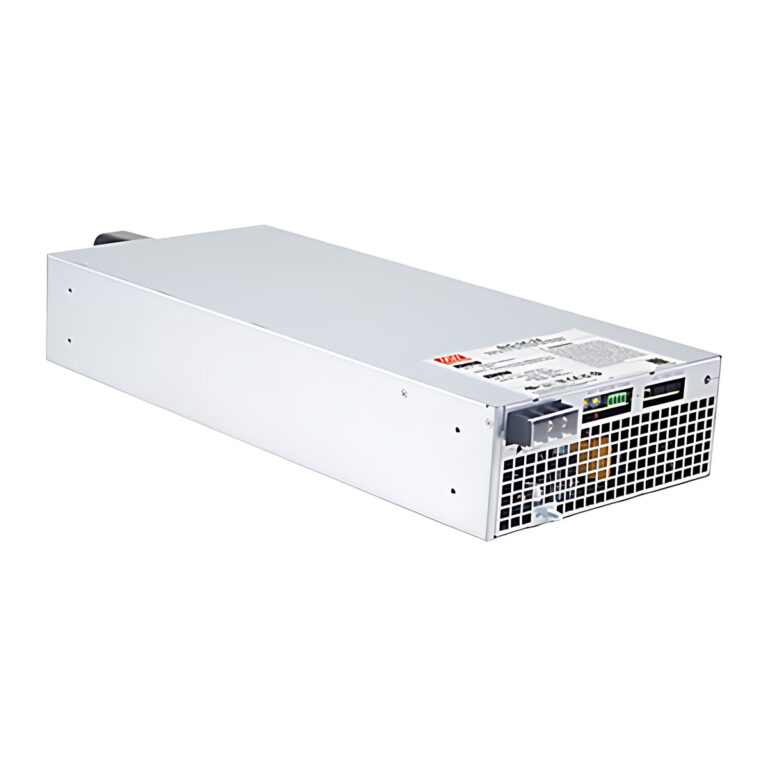 MEAN WELLModel BIC-5K-96
Battery Charger, 96 V DC, 52 A, 4992 W, bidirectional
- Rated Output Current
- 52 A (AC to DC)
- Output Current Range
- 0 to 52 A
- Bidirectional Switch Time
- 3 ms (typ.)
Price on requestBIC-5K series · 4 voltages -
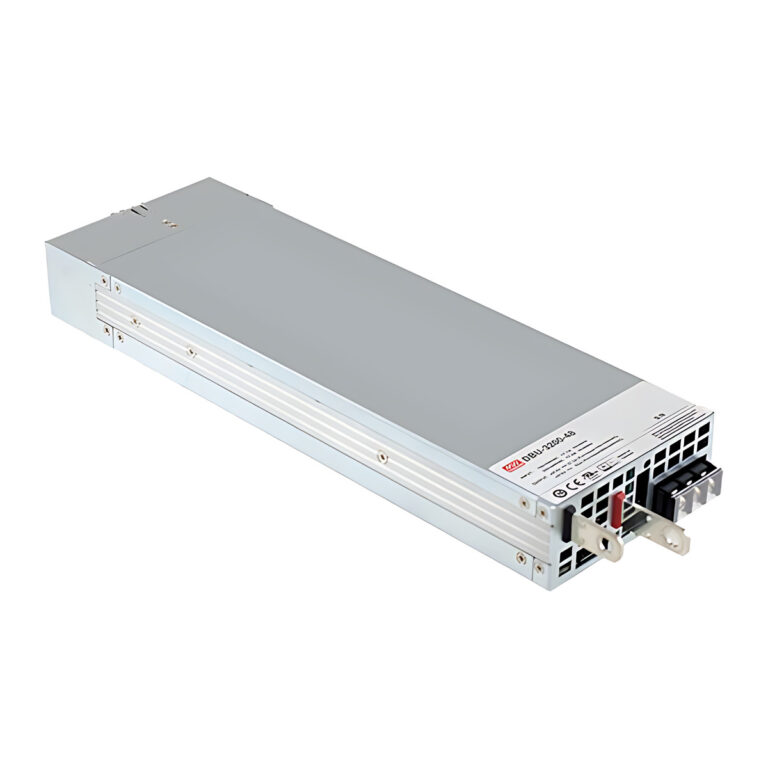 MEAN WELLModel DBU-3200-24
Battery Charger, 24 V battery, 110 A
- Rated Output Power
- 3200 W
- Recommended Battery Capacity
- 330 to 1000 Ah
Price on requestDBU-3200 series · 2 models -
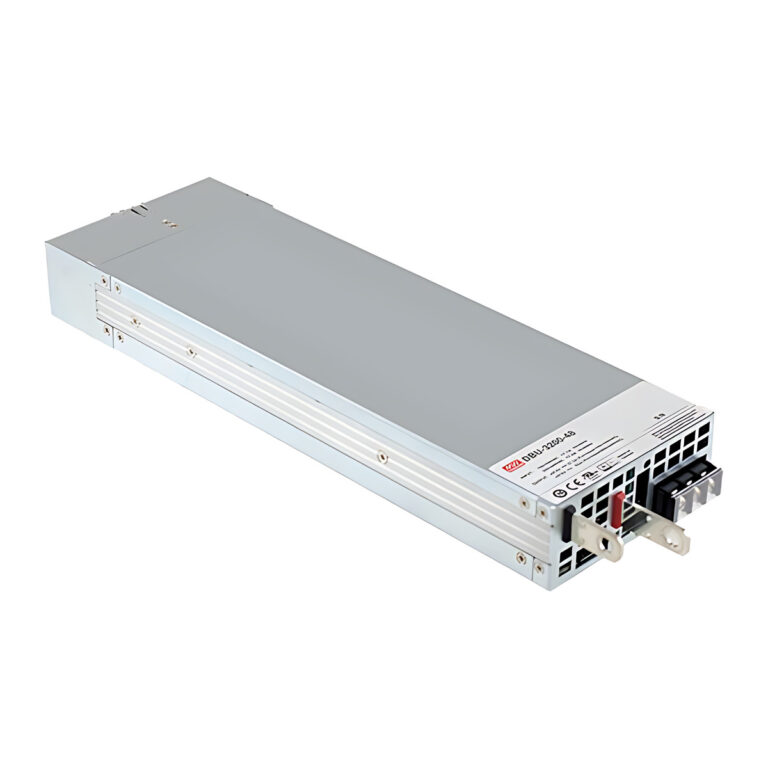 MEAN WELLModel DBU-3200-48
Battery Charger, 48 V battery, 55 A
- Rated Output Power
- 3200 W
- Recommended Battery Capacity
- 180 to 550 Ah
Price on requestDBU-3200 series · 2 models -
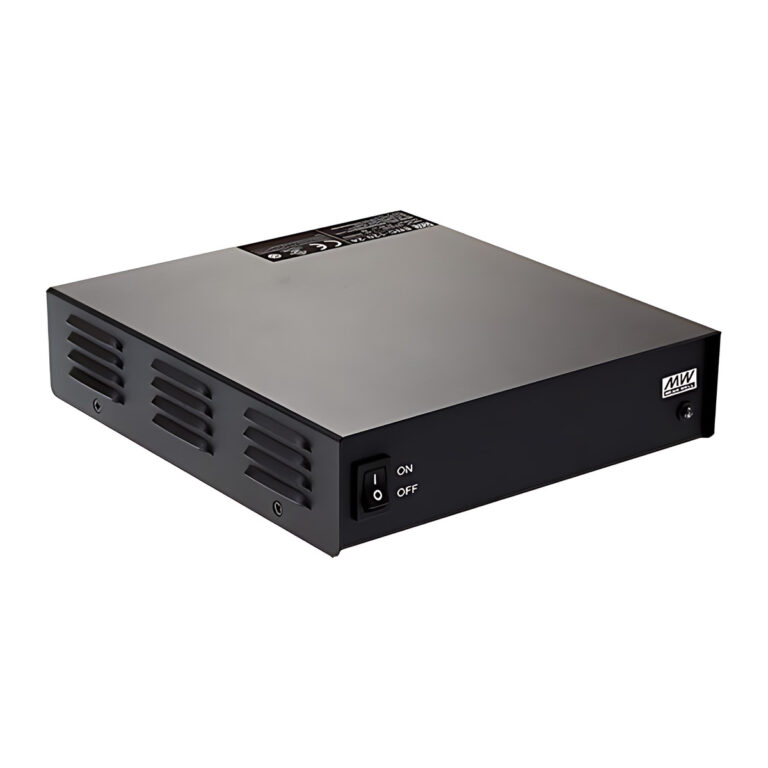 MEAN WELLModel ENC-120-48
Battery Charger, 48 V battery, 2 A
- Rated Output Power
- 115.2 W
- Recommended Battery Capacity
- 10 to 20 Ah
Price on request -
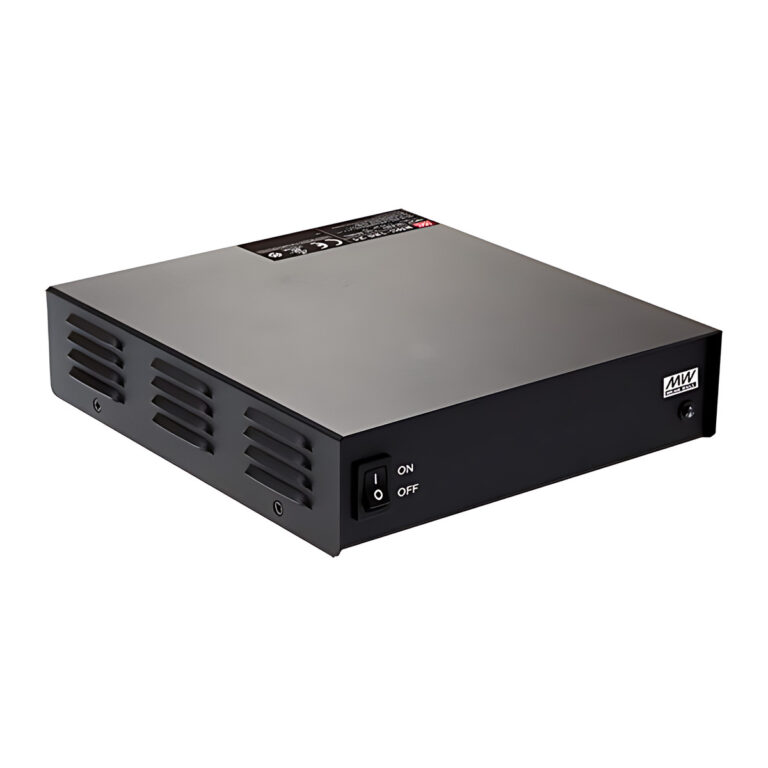 MEAN WELLModel ENC-240-12
Battery Charger, 12 V battery, 16 A
- Rated Output Power
- 230.4 W
- Recommended Battery Capacity
- 60 to 170 Ah
Price on request -
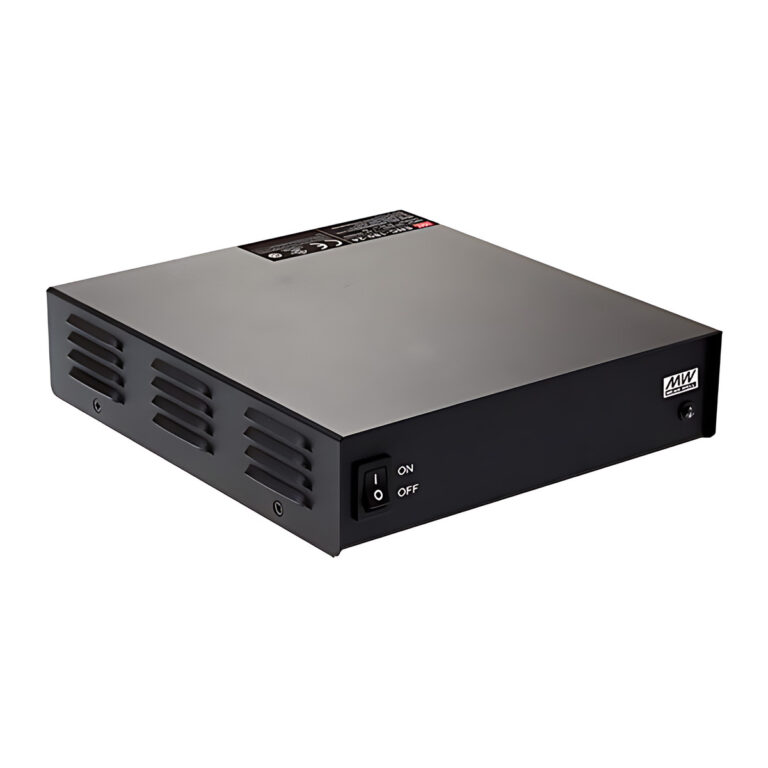 MEAN WELLModel ENC-360-24
Battery Charger, 24 V battery, 12 A
- Rated Output Power
- 345.6 W
- Recommended Battery Capacity
- 45 to 125 Ah
Price on request -
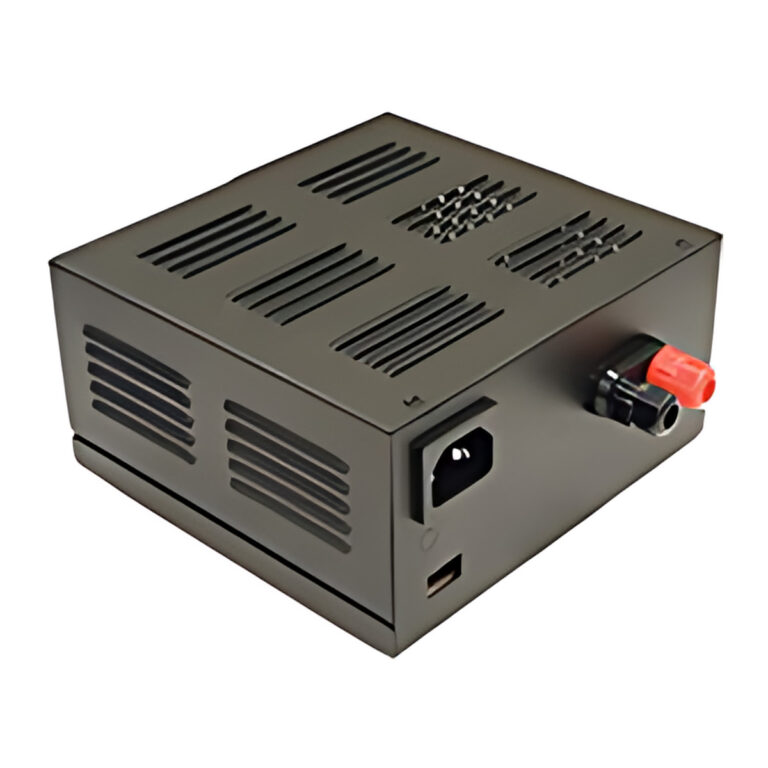 MEAN WELLModel ESC-120-13.5
Battery Charger, 13.5 V, 8 A, 108 W
- Rated Output Power
- 108 W
- Charging Current
- 8 A rated (0 to 8 A)
Price on requestESC-120 series · 2 models -
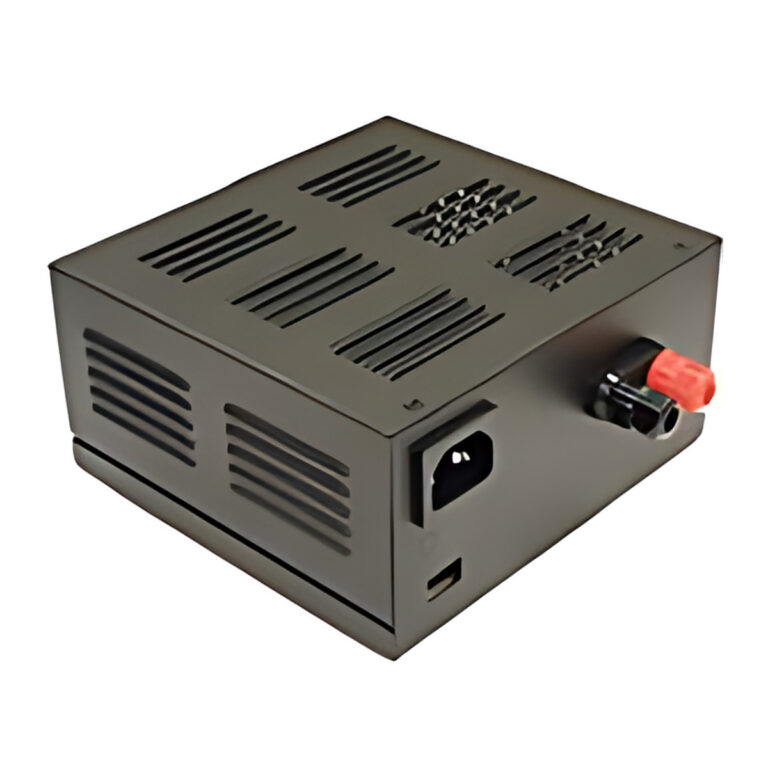 MEAN WELLModel ESC-120-27
Battery Charger, 27 V, 4 A, 108 W
- Rated Output Power
- 108 W
- Battery Charging Voltage
- 27 V (DC output voltage)
- Charging Current
- 4 A rated (0 to 4 A)
Price on requestESC-120 series · 2 models -
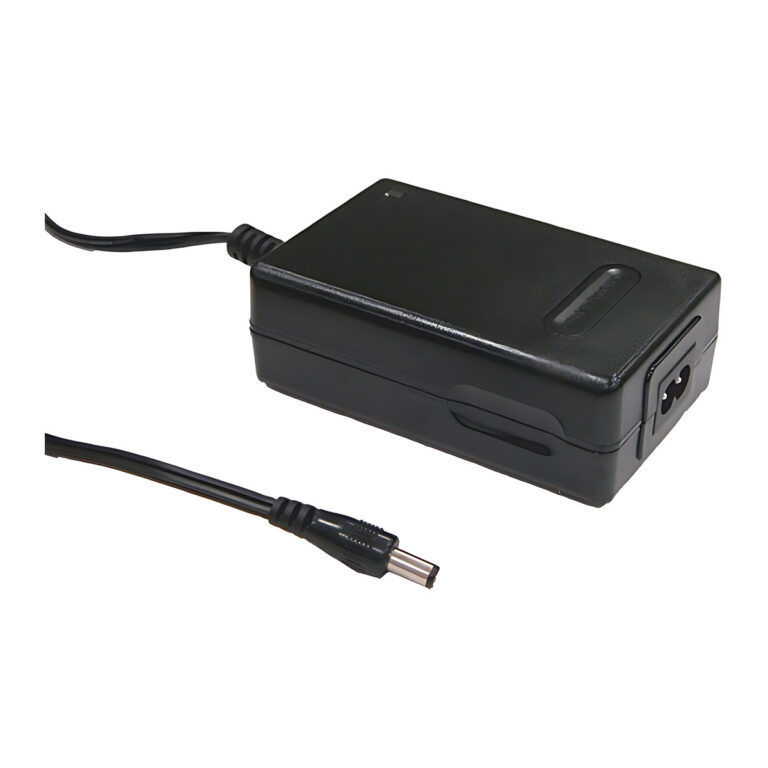 MEAN WELLModel GC30B-0P1J
Battery Charger, 4.2 V, 4 A, 16.8 W
- Rated Output Power
- 16.8 W
- Efficiency (typ.)
- 55%
Price on request -
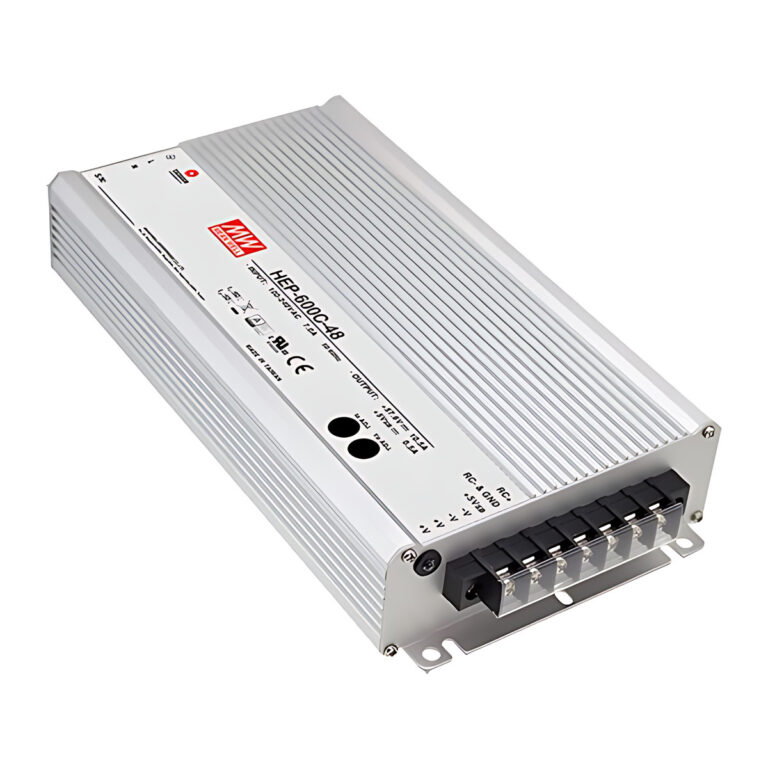 MEAN WELLModel HEP-600C-12
Battery Charger, 12 V battery, 35 A
- Rated Output Current
- 35 A (charging)
- Recommended Battery Capacity
- 135 to 400 Ah
Price on requestHEP-600C series · 3 models -
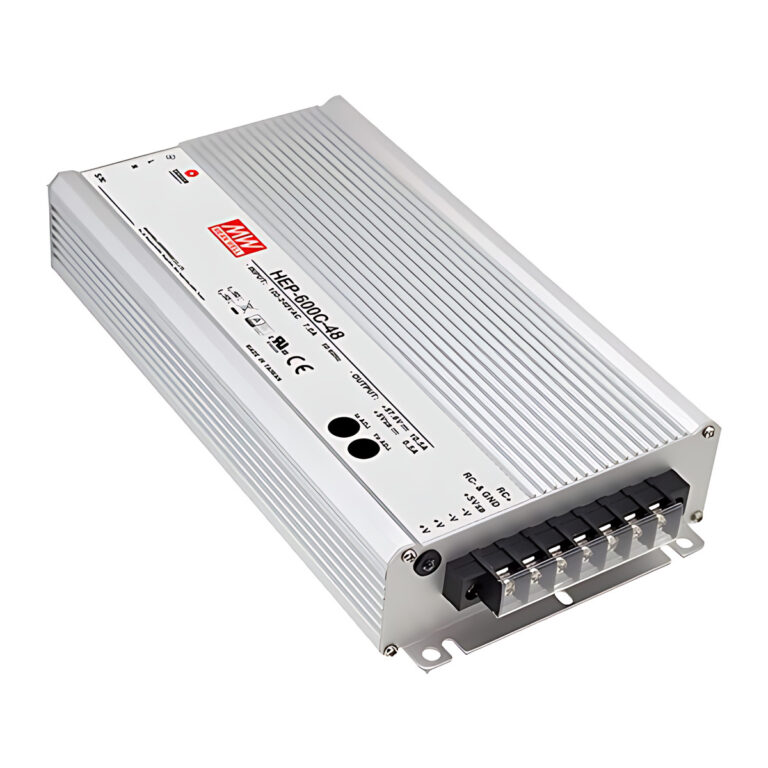 MEAN WELLModel HEP-600C-24
Battery Charger, 24 V battery, 21 A
- Rated Output Current
- 21 A (charging)
- Recommended Battery Capacity
- 70 to 210 Ah
Price on requestHEP-600C series · 3 models -
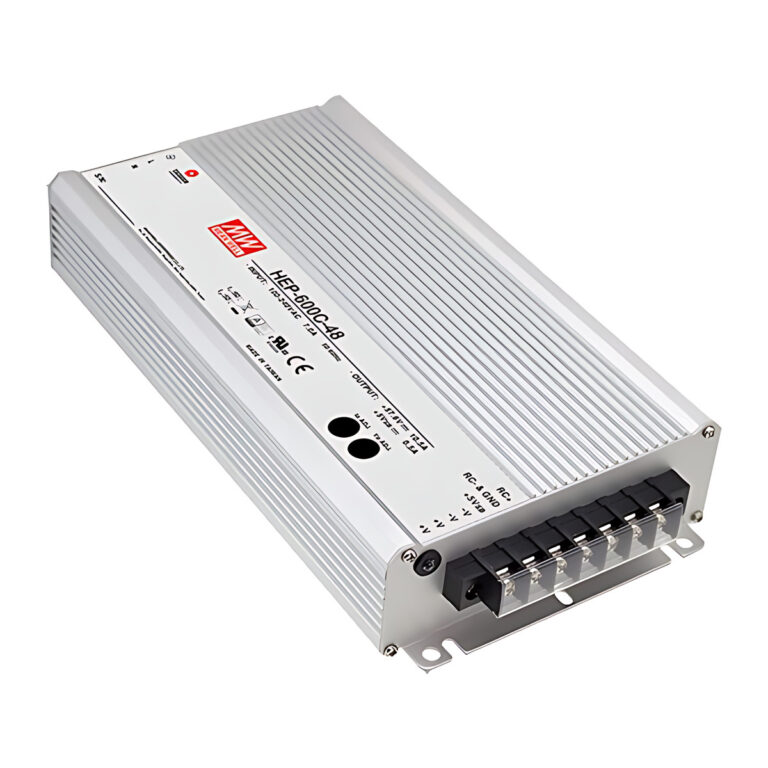 MEAN WELLModel HEP-600C-48
Battery Charger, 48 V battery, 10.5 A
- Rated Output Current
- 10.5 A (charging)
- Recommended Battery Capacity
- 35 to 105 Ah
Price on requestHEP-600C series · 3 models -
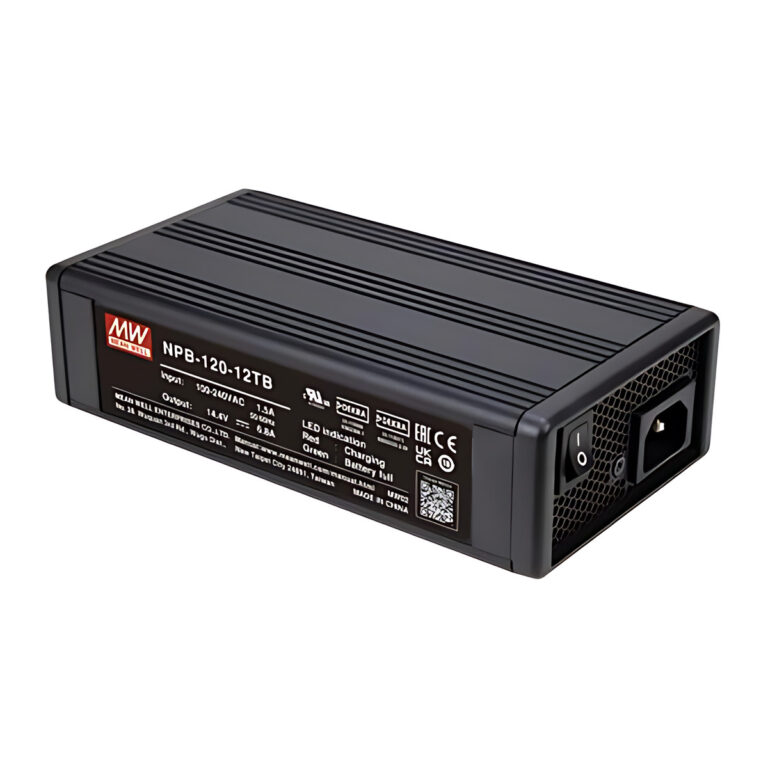 MEAN WELLModel NPB-120-12TB
Battery Charger, 12 V battery, 6.8 A
- Rated Output Power
- 103.4 W max.
- Rated Output Current
- 6.8 A (charging, typ.)
Price on requestNPB-120 series · 3 models
Choosing a battery charger
- Battery voltage and chemistry: match the nominal bank voltage and check the charger supports your battery type; many models cover flooded, gel and AGM lead acid as well as lithium, while others are lead acid only.
- Charging current: size it to the bank using the recommended battery capacity range listed on each product.
- Charging curve: 3-stage charging suits most standby systems, and DIP-selectable or programmable curves allow tuning for different batteries.
- Bidirectional units: BIC series models charge from AC and also convert battery power back to AC for battery energy storage.
Check the input voltage range, since several high-power models need 180 V AC or more, and whether the charger can power the load while charging. For unattended sites, use the Charger OK and Battery Full signals or CANBus or PMBus to monitor status, and fit the external temperature sensor where the battery area is not climate controlled.
Need help choosing?
Tell us what it is for and where it goes, and we suggest models. Have a list of models and quantities? Request a quote.